Celebrating Reconciliation week in Kitchen Garden!

Students embraced the spirit of Reconciliation Week this week by coming together in Kitchen Garden to prepare and share food inspired by Indigenous ingredients and traditions.

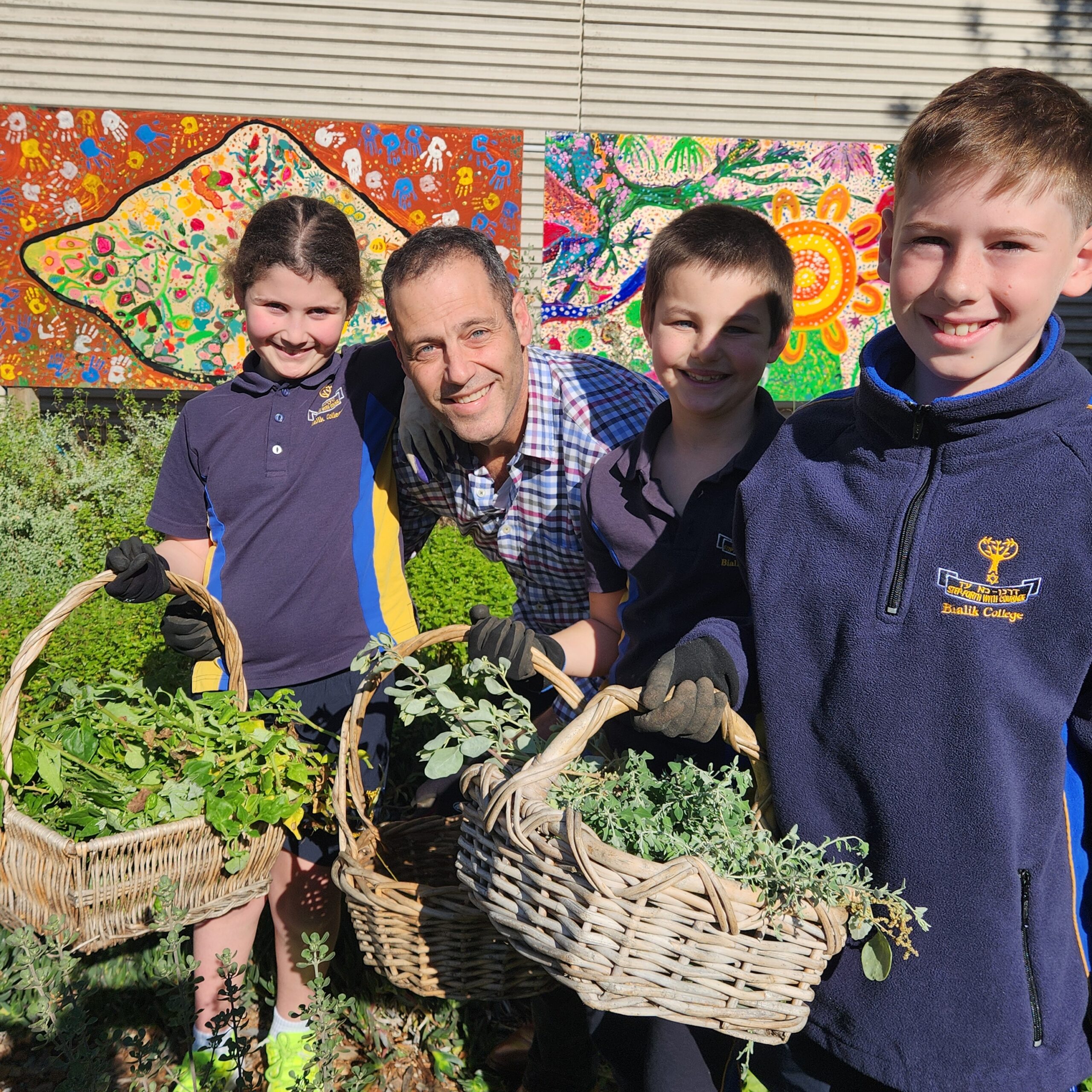
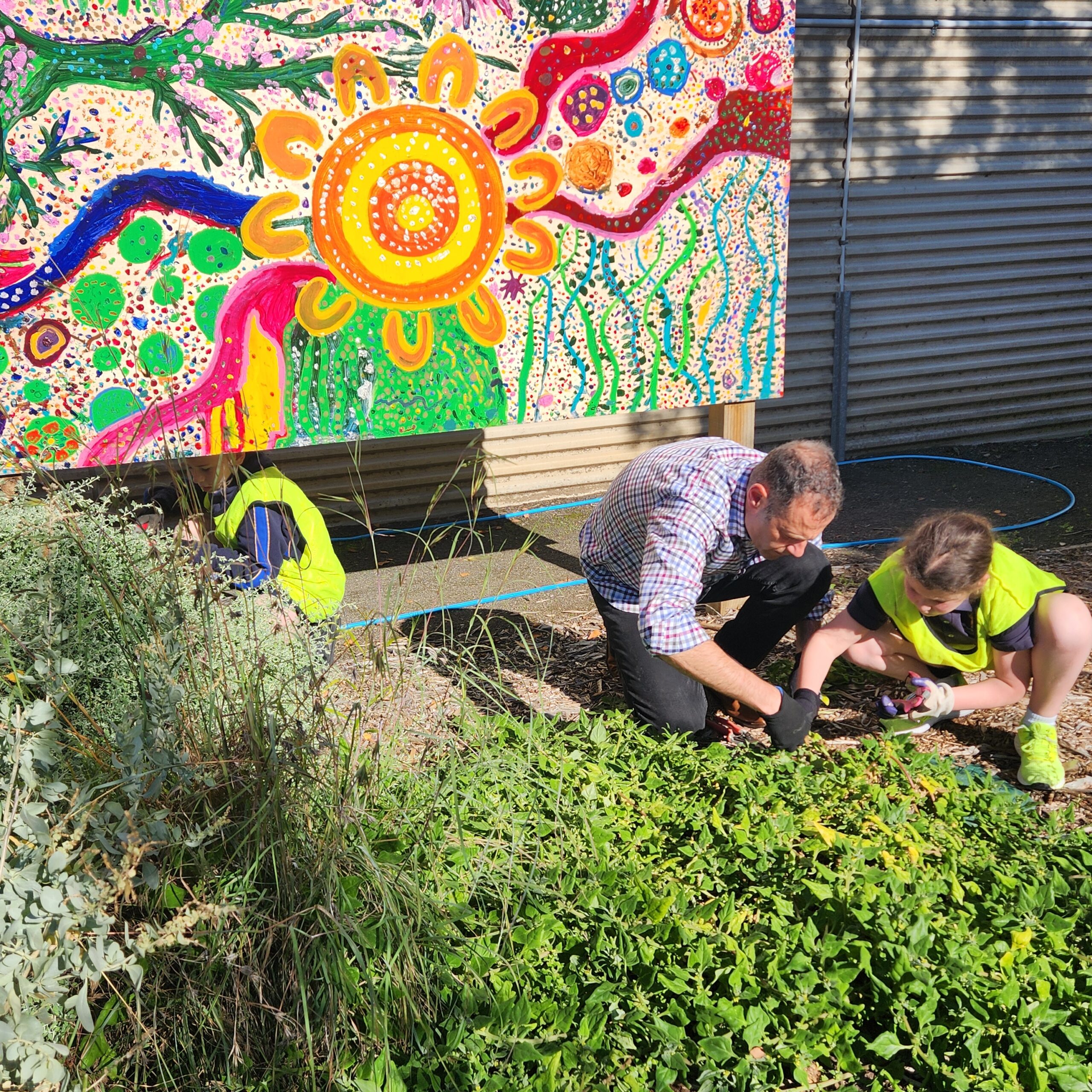
Guided by curiosity, students explored the native Australian ingredients grown in the Indigenous garden while learning about the deep cultural connections First Nations people have with Country, food and sustainability.

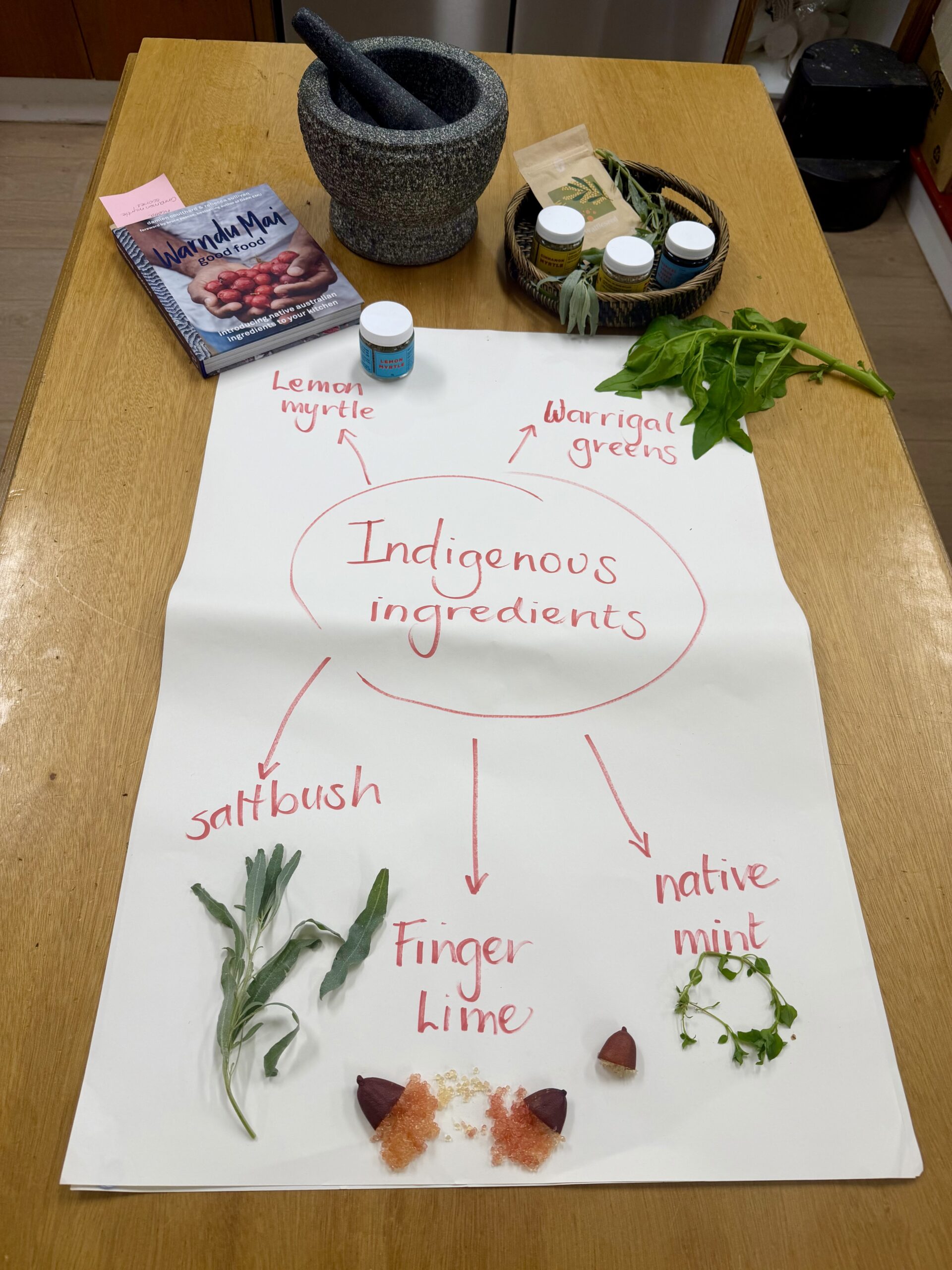
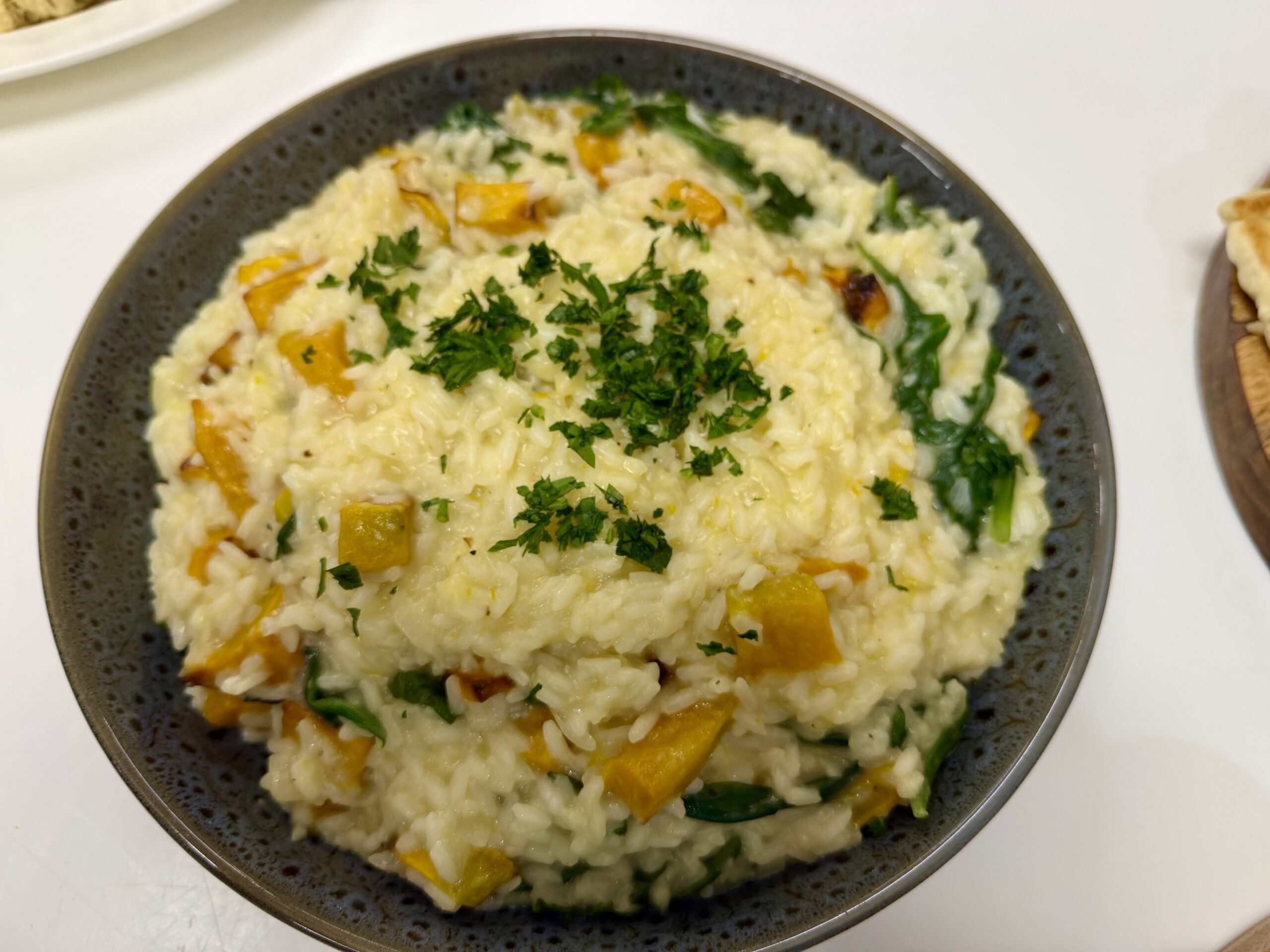
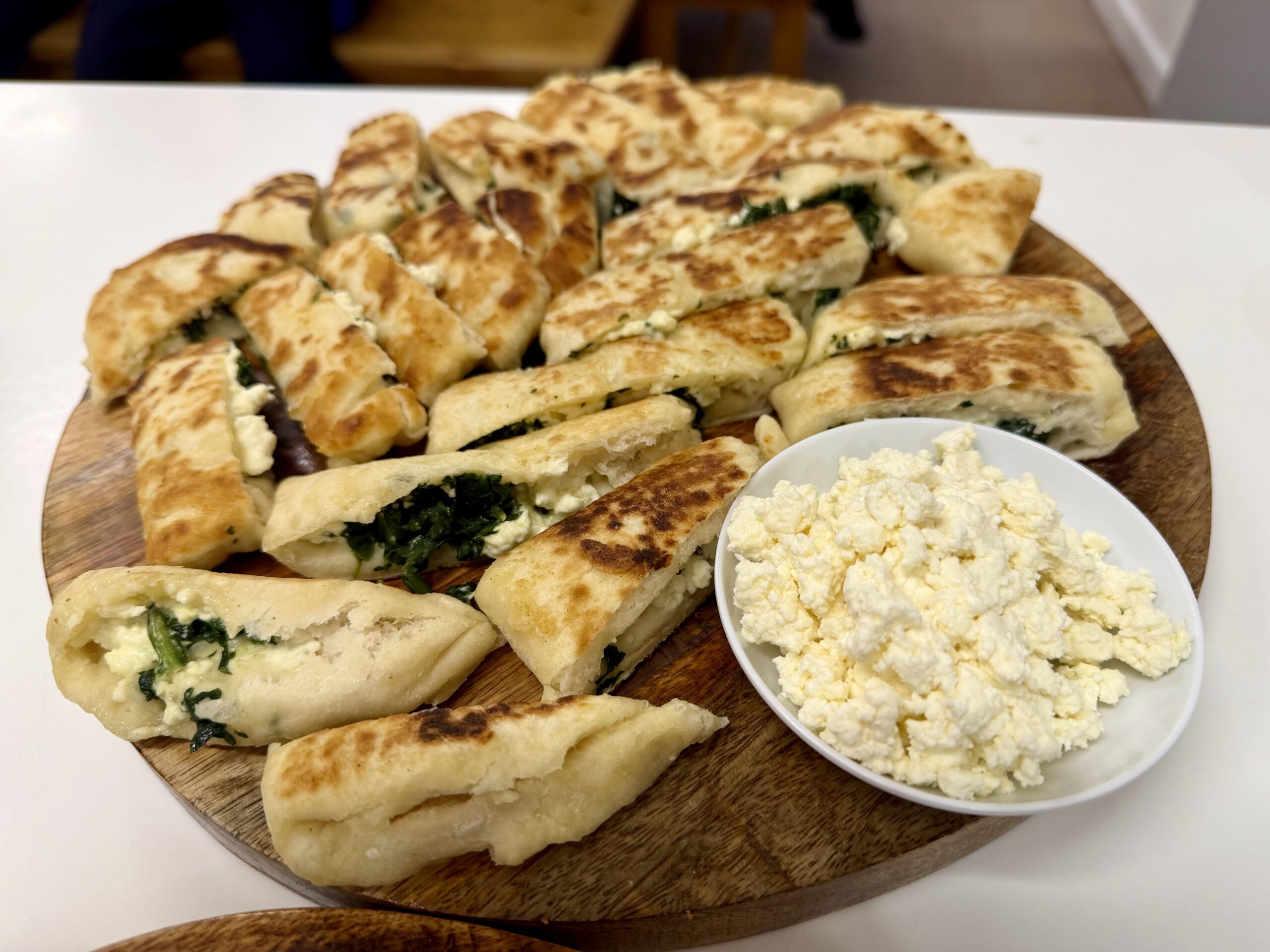
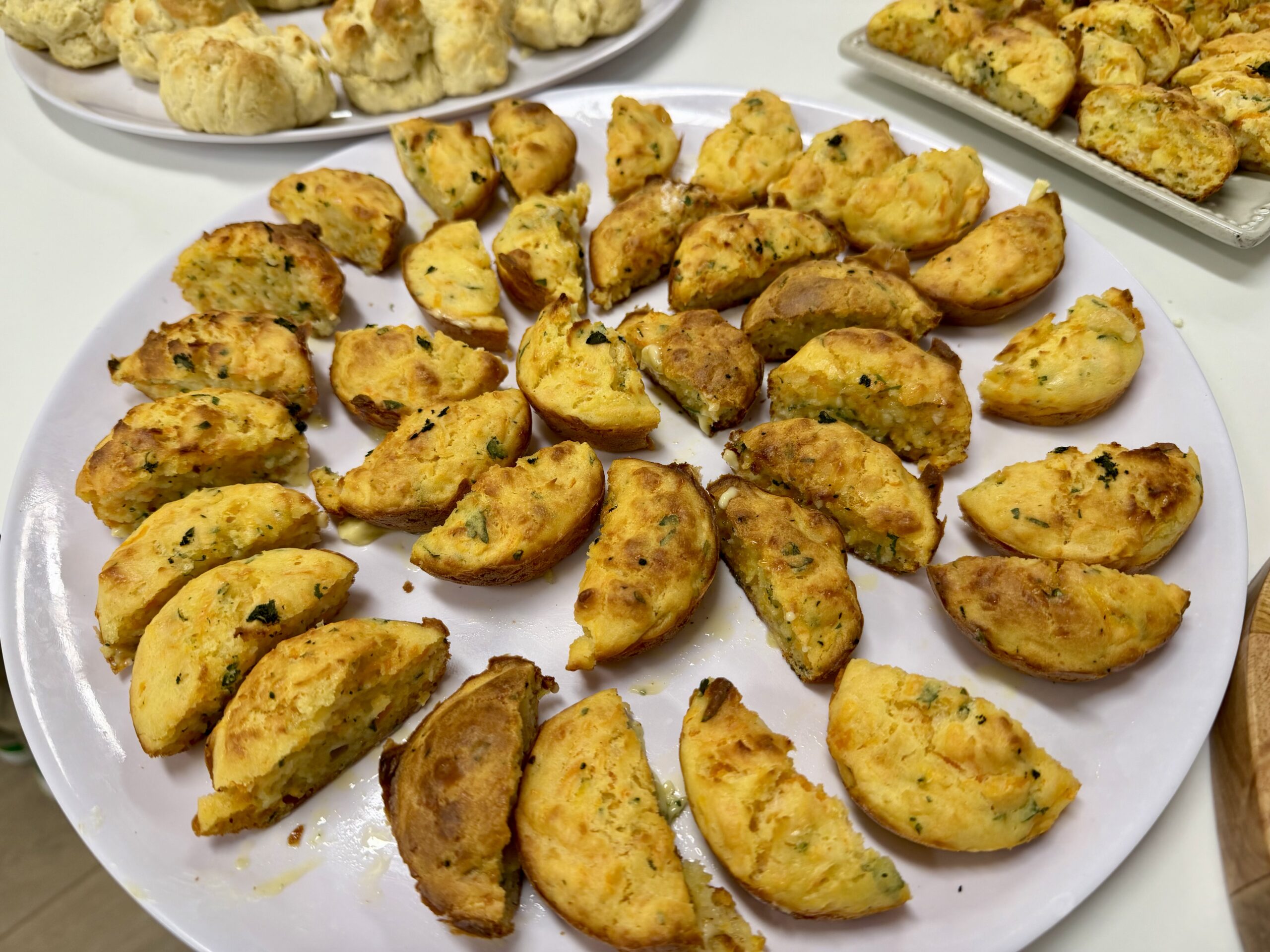
Students harvested a variety of fresh produce and Indigenous ingredients from our school’s Kitchen Garden and worked collaboratively to create a range of delicious dishes. They used Indigenous ingredients such as Warrigal greens, saltbush, native mint and lemon myrtle to make the following:

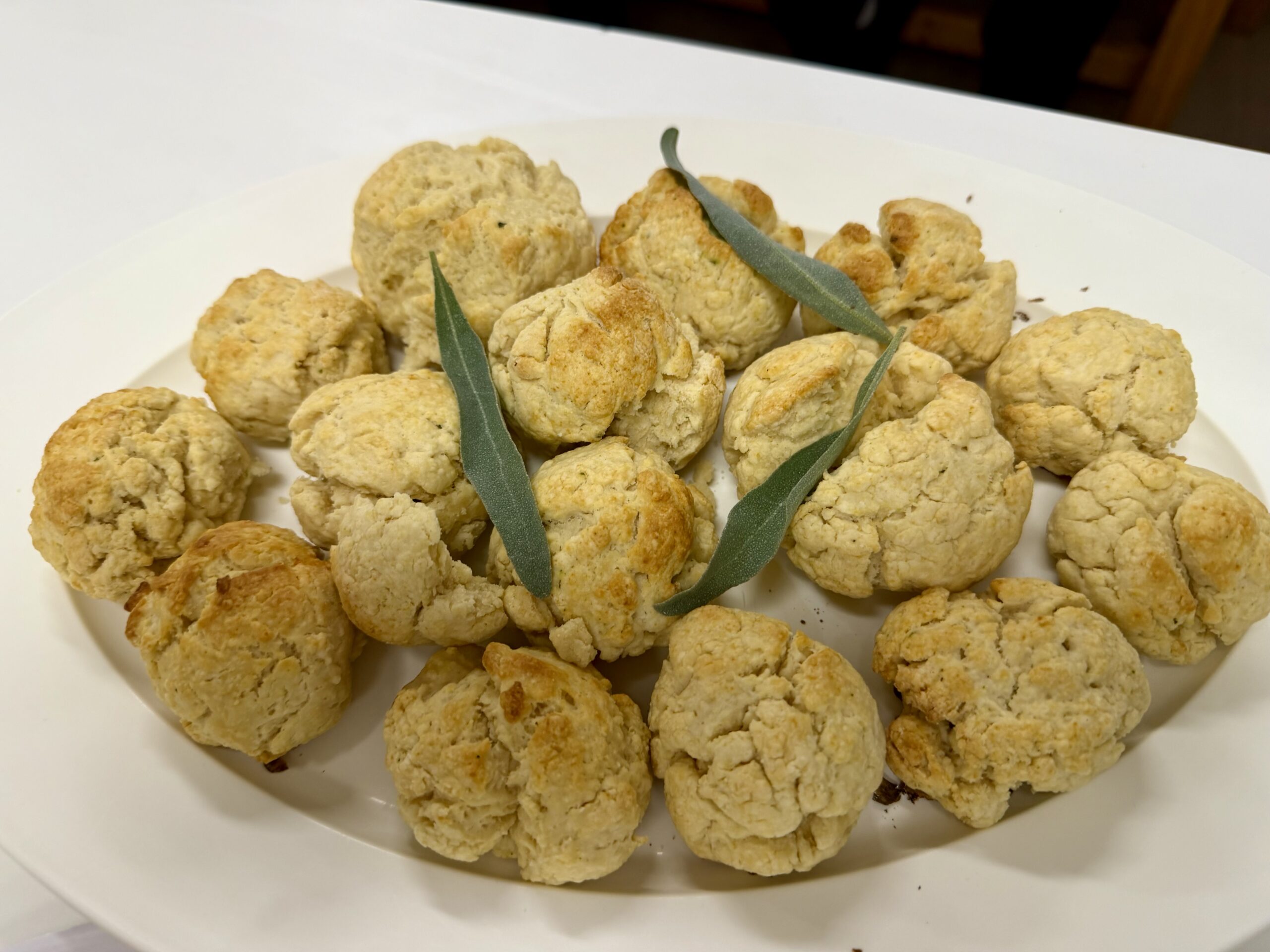
Warrigal greens and feta gozleme, saltbush damper, pumpkin and warrigal greens risotto, saltbush and carrot muffins, and lemon myrtle madeleines.

The Kitchen classroom was filled with excitement as students chopped, mixed, tasted and proudly shared their creations with classmates, teachers and volunteers. The activity not only developed practical cooking skills but also fostered appreciation for Indigenous knowledge, culture and traditions.

A special thank you to staff and volunteers who support our program and helped make the experience meaningful and memorable for all involved.

Exploring Structural Features of Native Edible Plants in Our Bush Tucker Garden

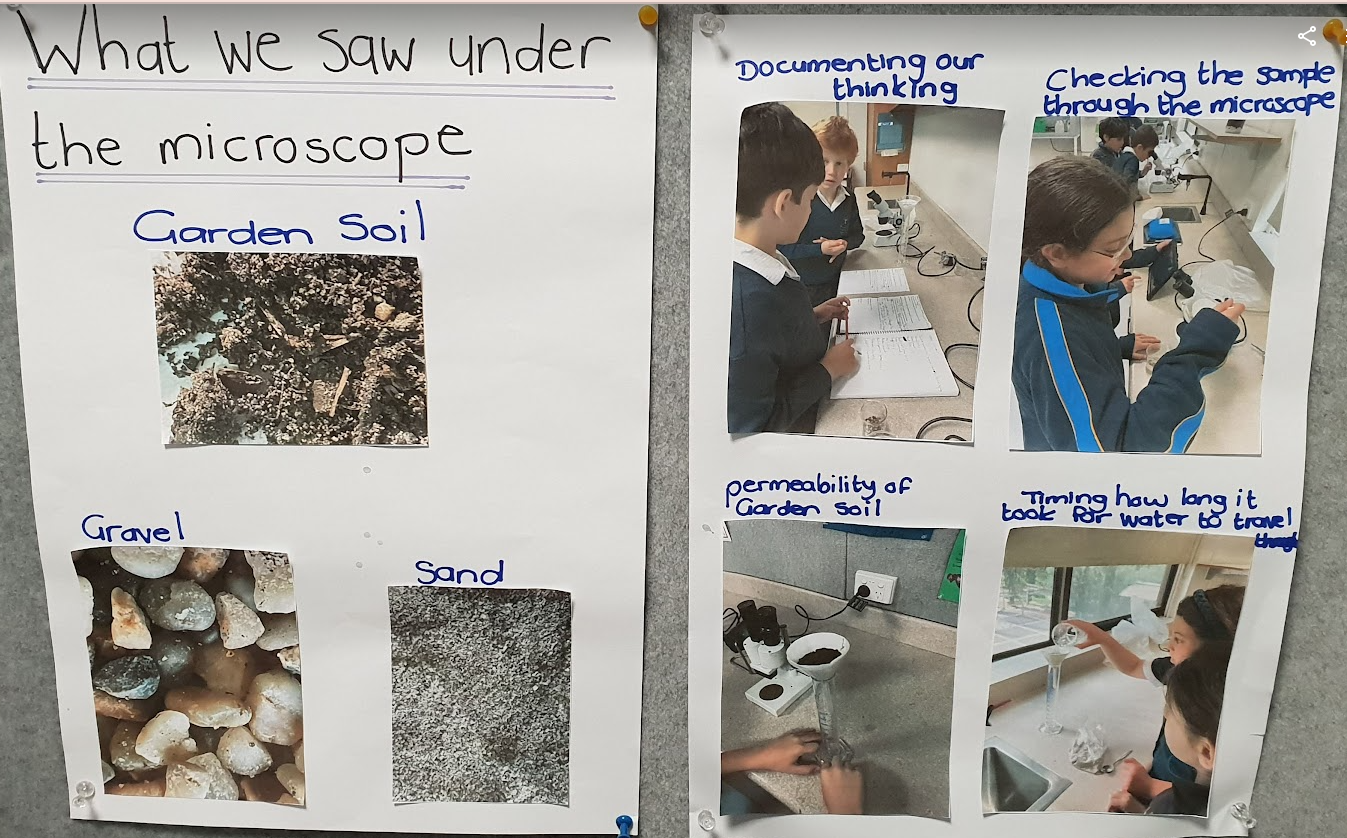
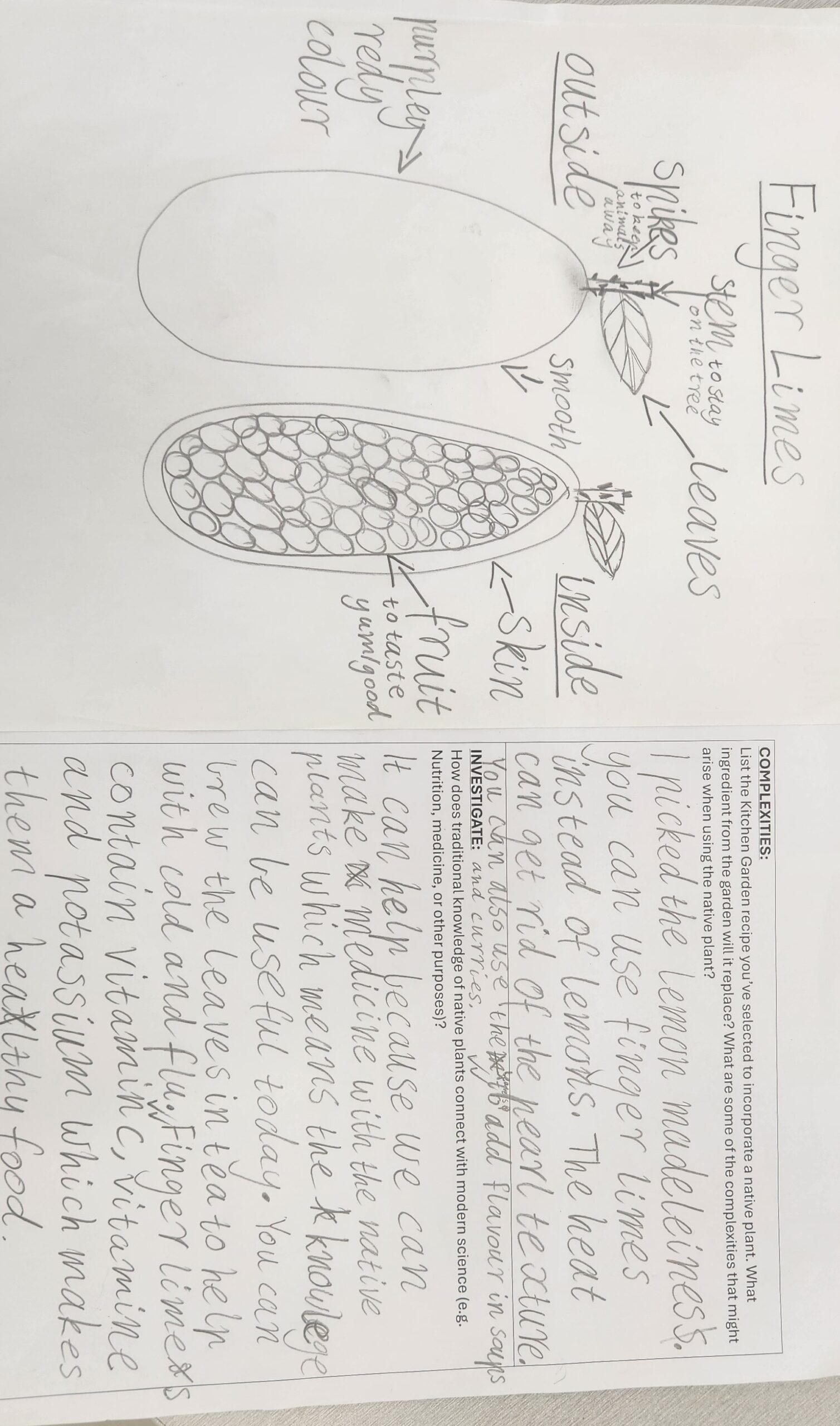
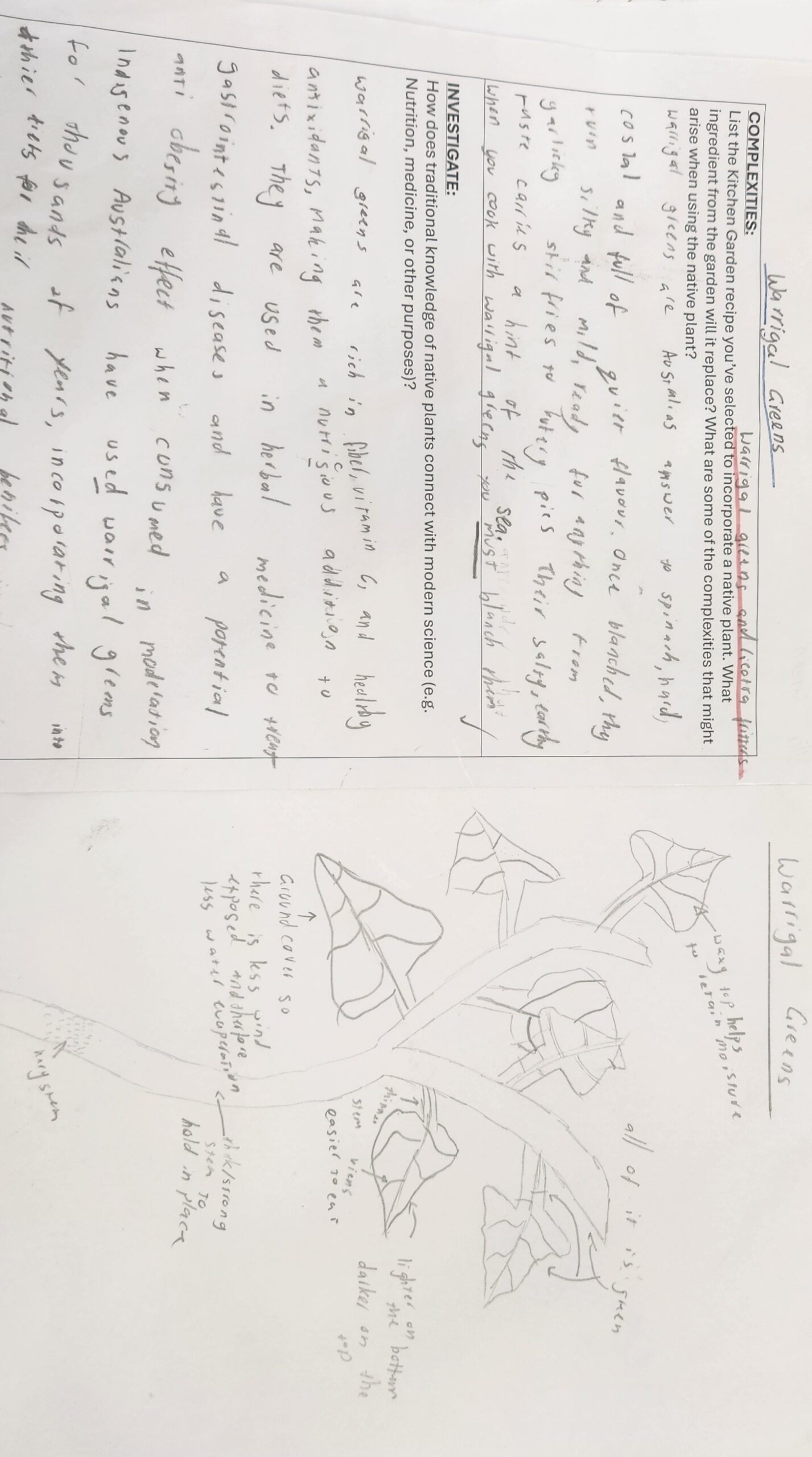
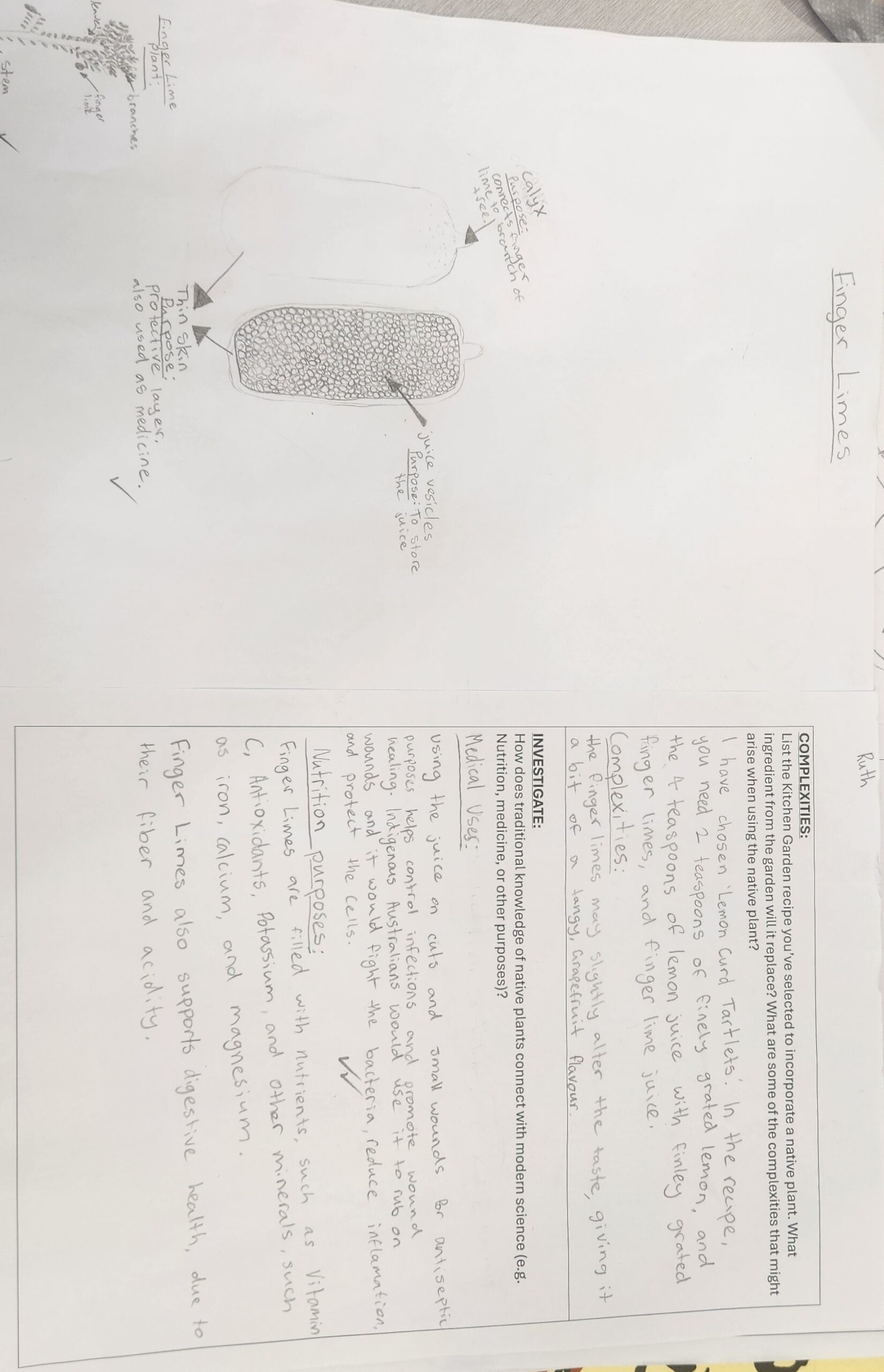
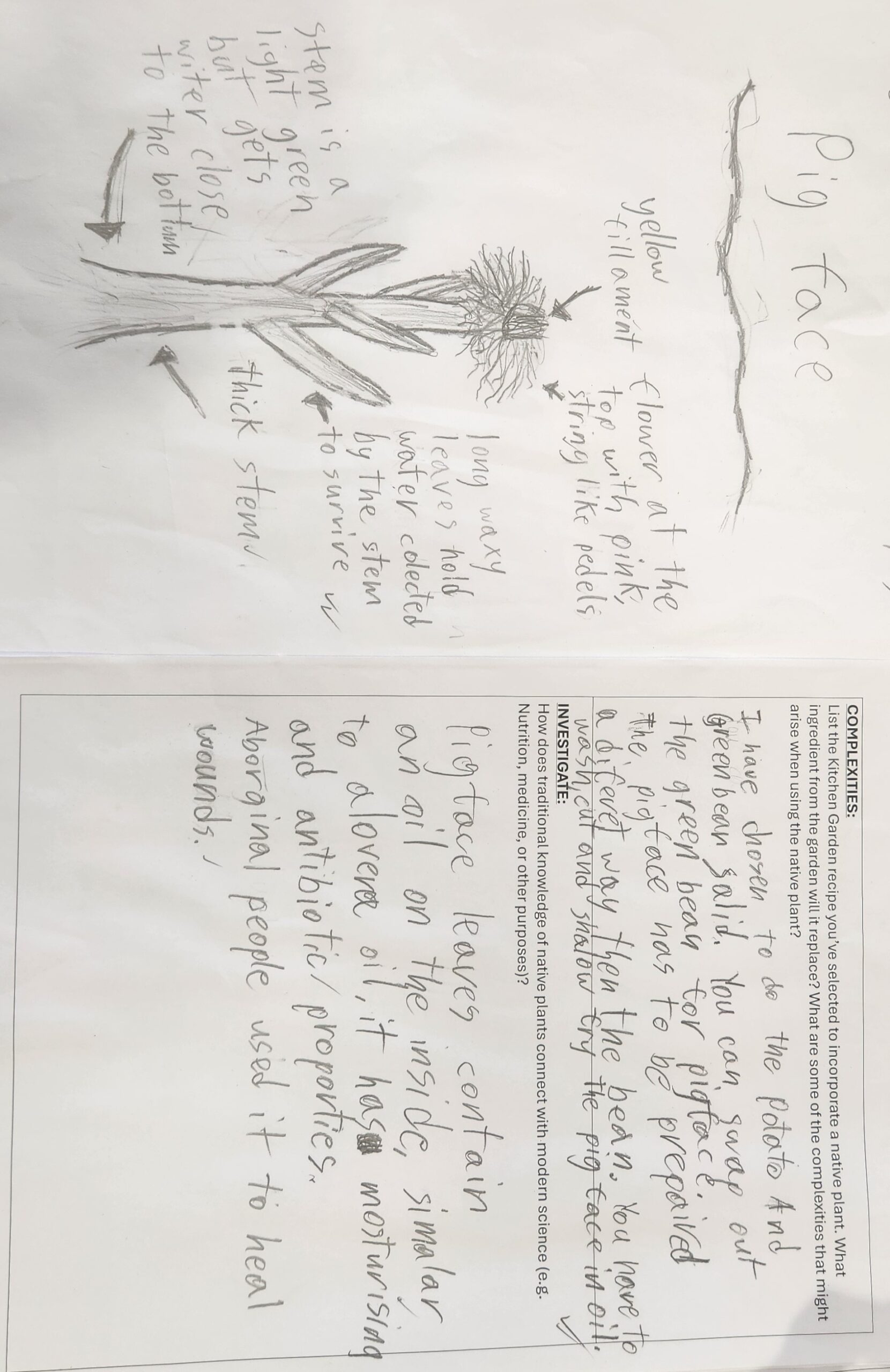
This term in the Kitchen Garden Program, students have been delving into the fascinating world of native edible plants and discovering how these species have adapted to thrive in Australia’s unique environments. Plants such as Warrigal greens, finger limes, native herbs and pig face.

Students investigate structural features such as waxy or hairy leaves that reduce water loss, deep root systems designed to access underground moisture, and the ability of some plants to store water in their stems or fruits in order to help plants thrive in dry conditions.

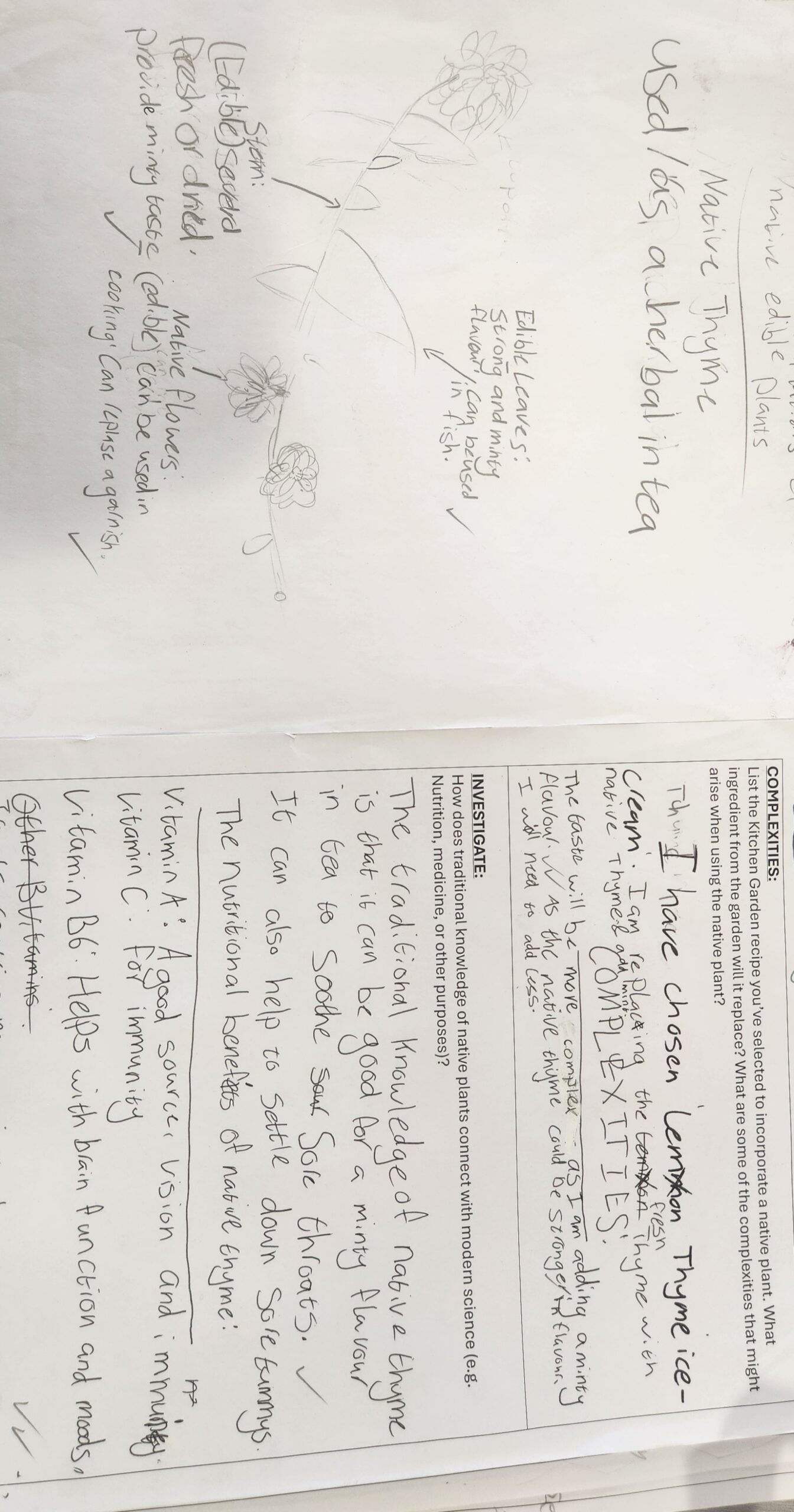
In the kitchen classroom students discussed how native ingredients could replace non-native ones and considered the challenges or adjustments needed when incorporating them into recipes. They made connections between traditional knowledge and modern science, recognising links to nutrition, medicine, and other contemporary applications.

Through this integrated study of science, culture, gardening, and cooking, students continue to build a deeper understanding of sustainability and the interconnectedness of people, plants, and place.

Harnessing the Sun: A Solar Cooker Design Thinking Challenge

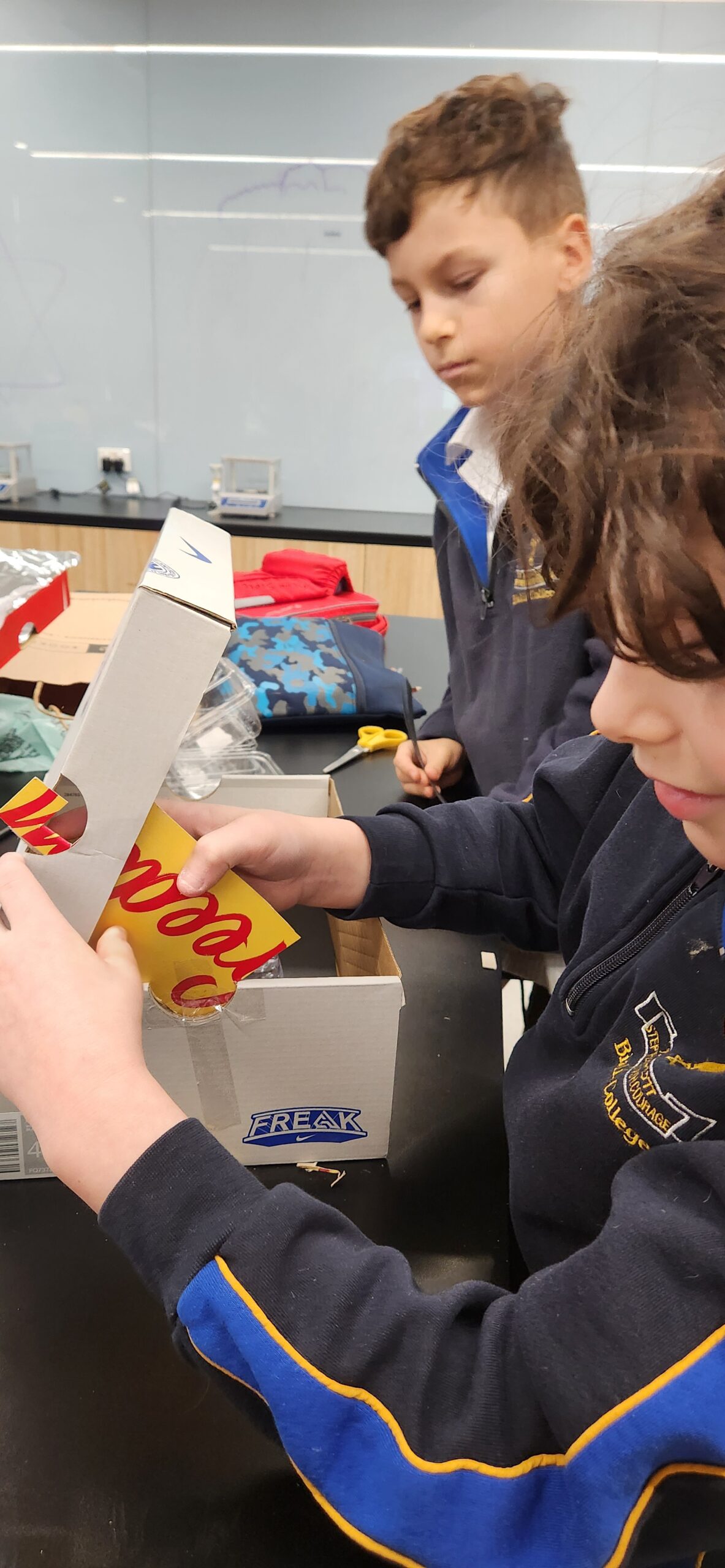
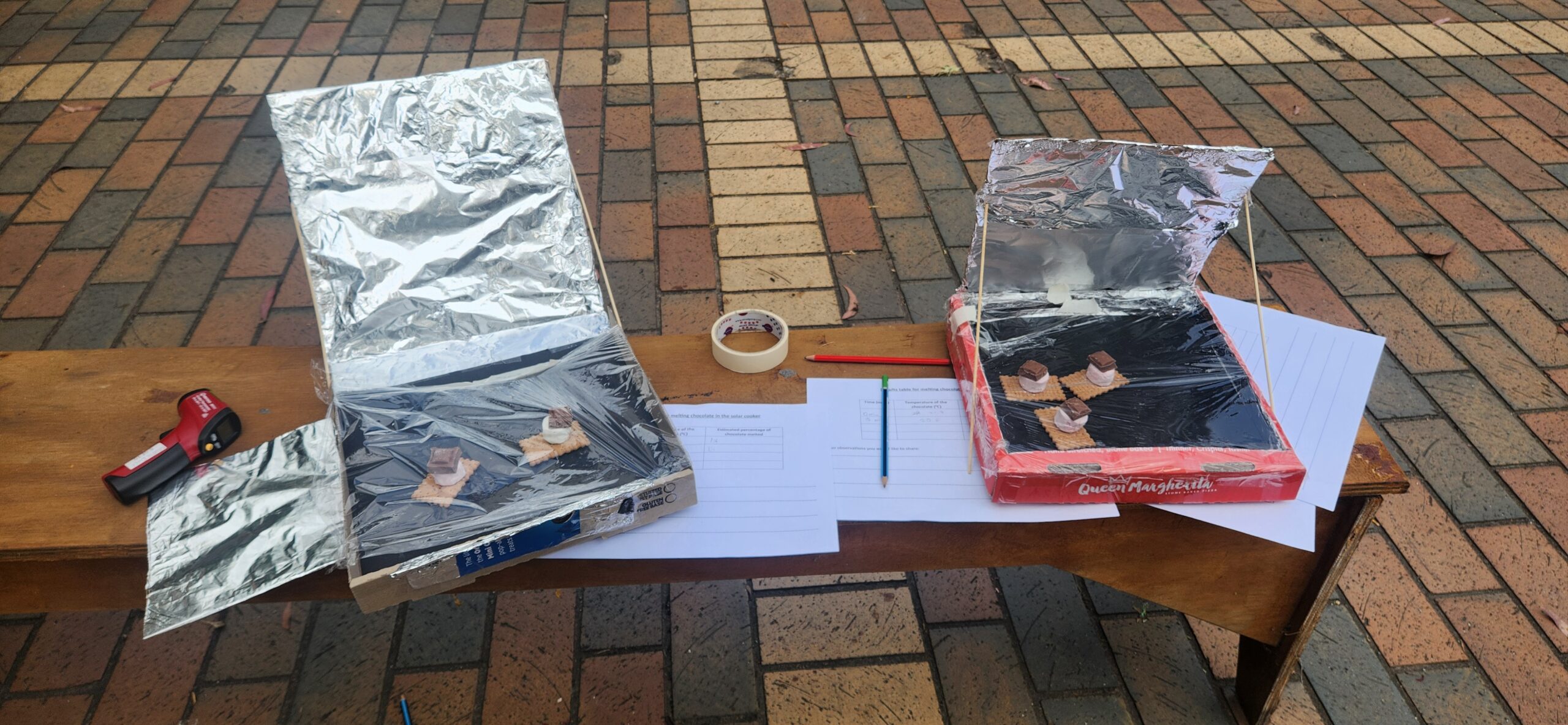
As part of our science learning, students recently designed and built their own solar cookers, exploring concepts such as solar energy, materials science, and changes in states of matter. This hands-on project encouraged them to think about how renewable energy can be harnessed to solve real-world problems, especially in communities with limited access to conventional cooking fuels.

To spark curiosity, students watched a video showing bread being baked in a solar oven. This led to thoughtful discussion about how small changes in technology, like solar cooking, can create big impacts on people’s lives and the environment.

The design challenge — “Can you harness the sun’s energy to melt a s’more?” — immediately captured their excitement. Working in teams, students used cardboard boxes, foil, and plastic to create solar cookers, carefully applying their knowledge of heat transfer and reflection. They eagerly tested and adjusted their designs, hoping to see their chocolate melt within the 30-minute timeframe.

Throughout the activity, students showed high levels of collaboration, problem solving, and creativity. The STEM design process guided their thinking, reminding them that improvement and reflection are just as important as the final product.

By the end of the session, students confidently explained how different materials affect heat capture and proudly shared their working solar cookers. Their engagement, enthusiasm, and enjoyment were clear, making this a memorable and meaningful learning experience.

The great Bialik bake off – baking Hamanthashen for Purim!

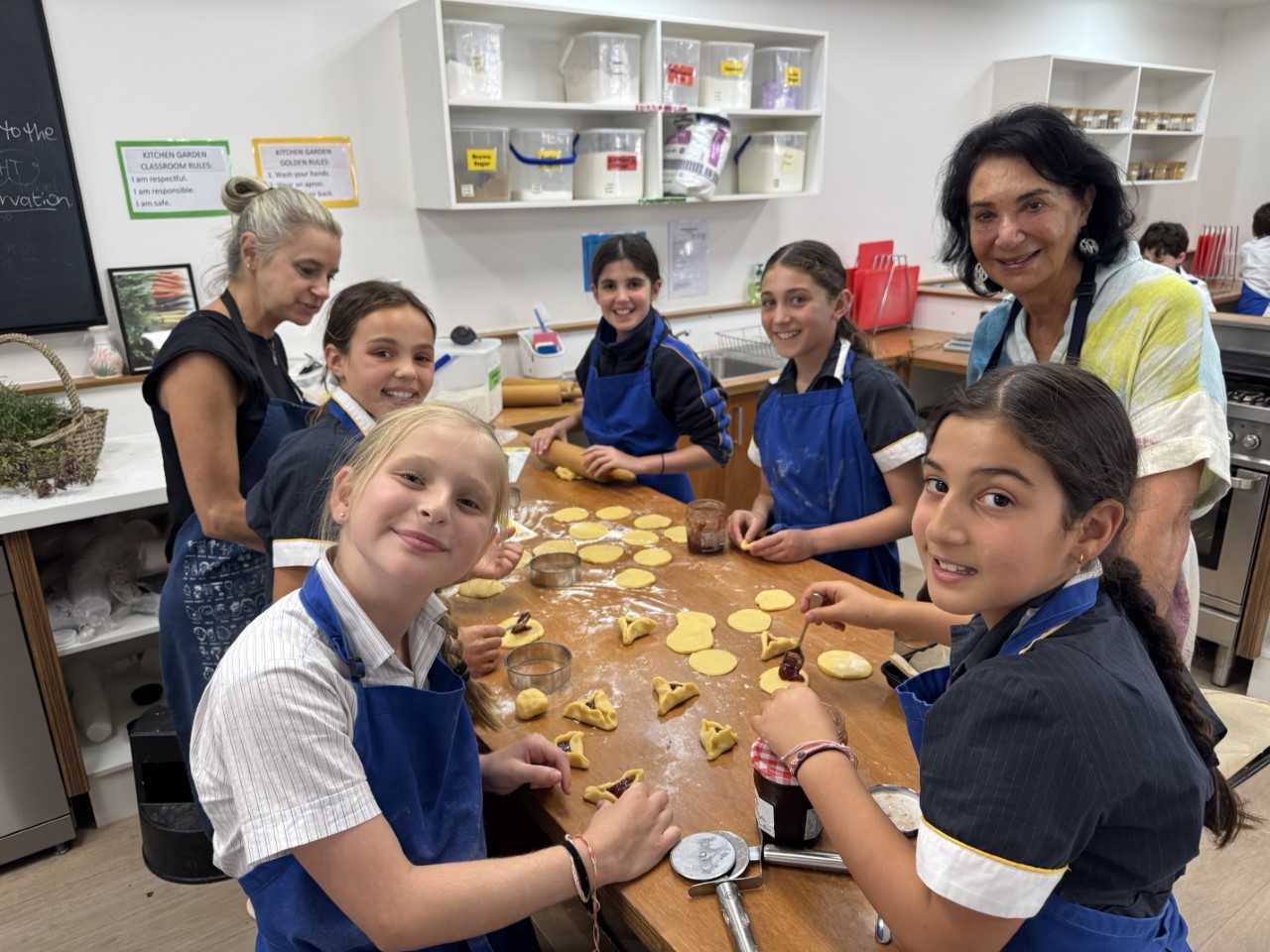
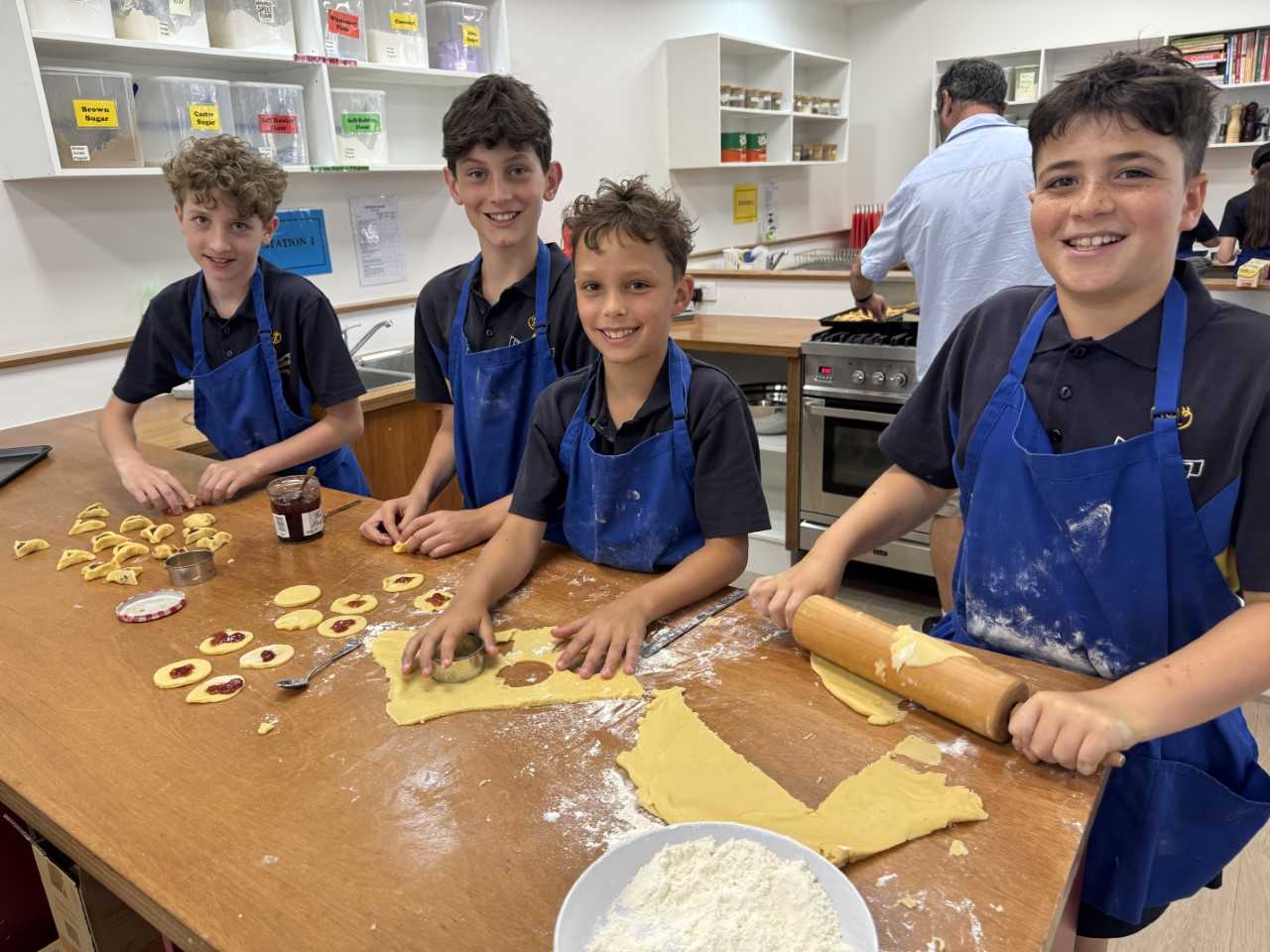
Throughout the year, our Kitchen Garden program menu reflects special events in the Jewish calendar. When preparing and sharing these dishes, our students experience and connect with each festival.


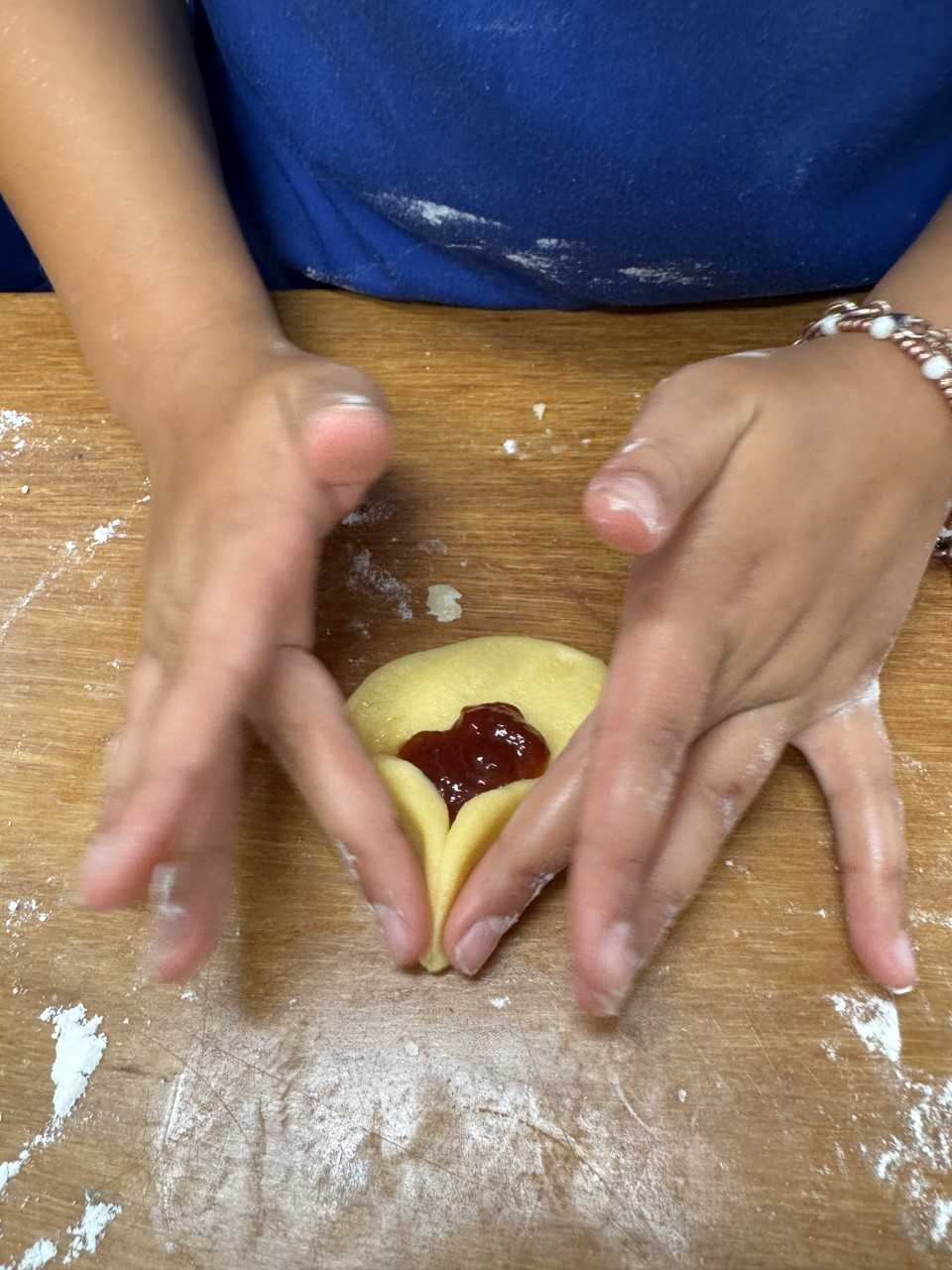
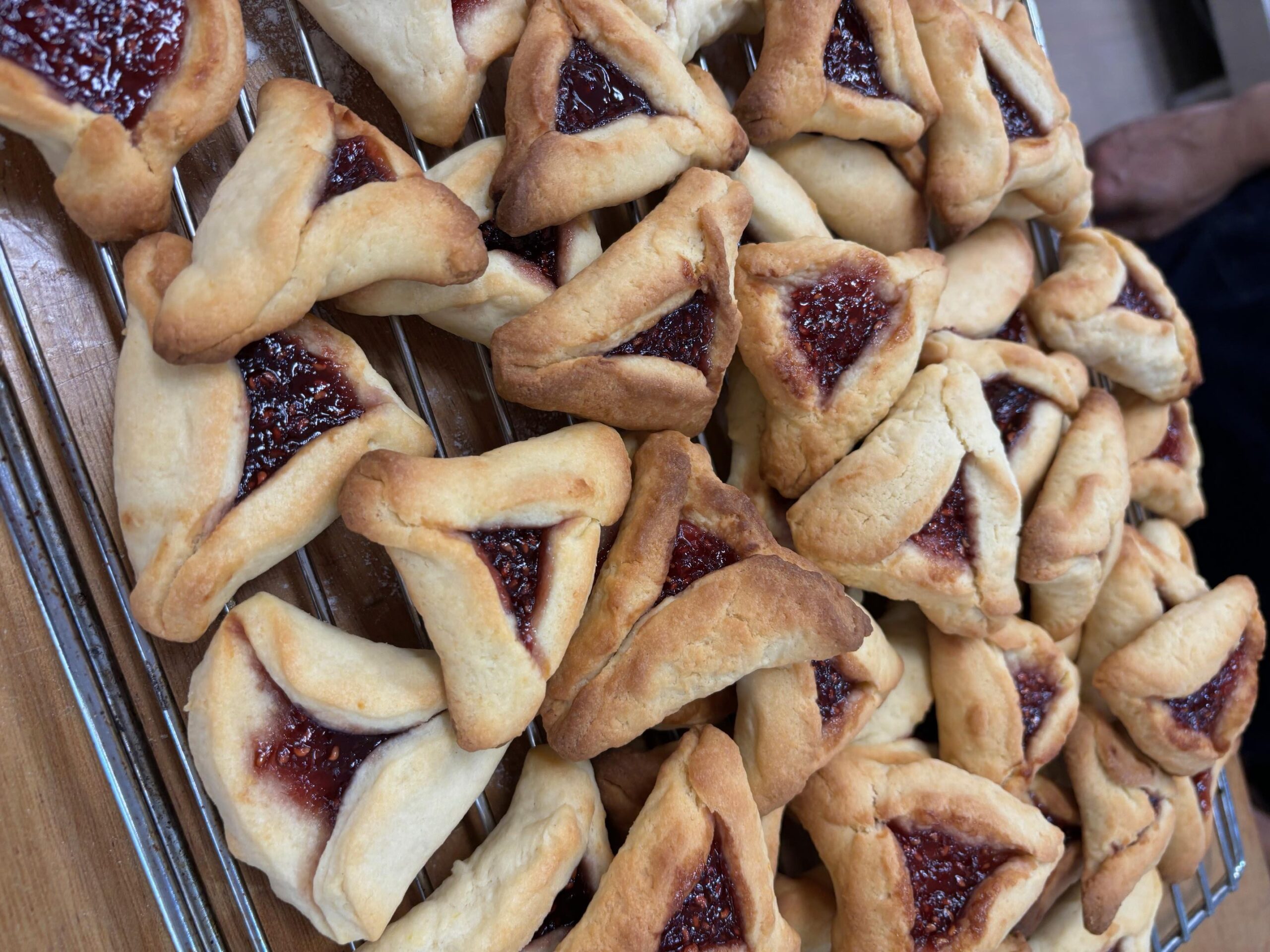
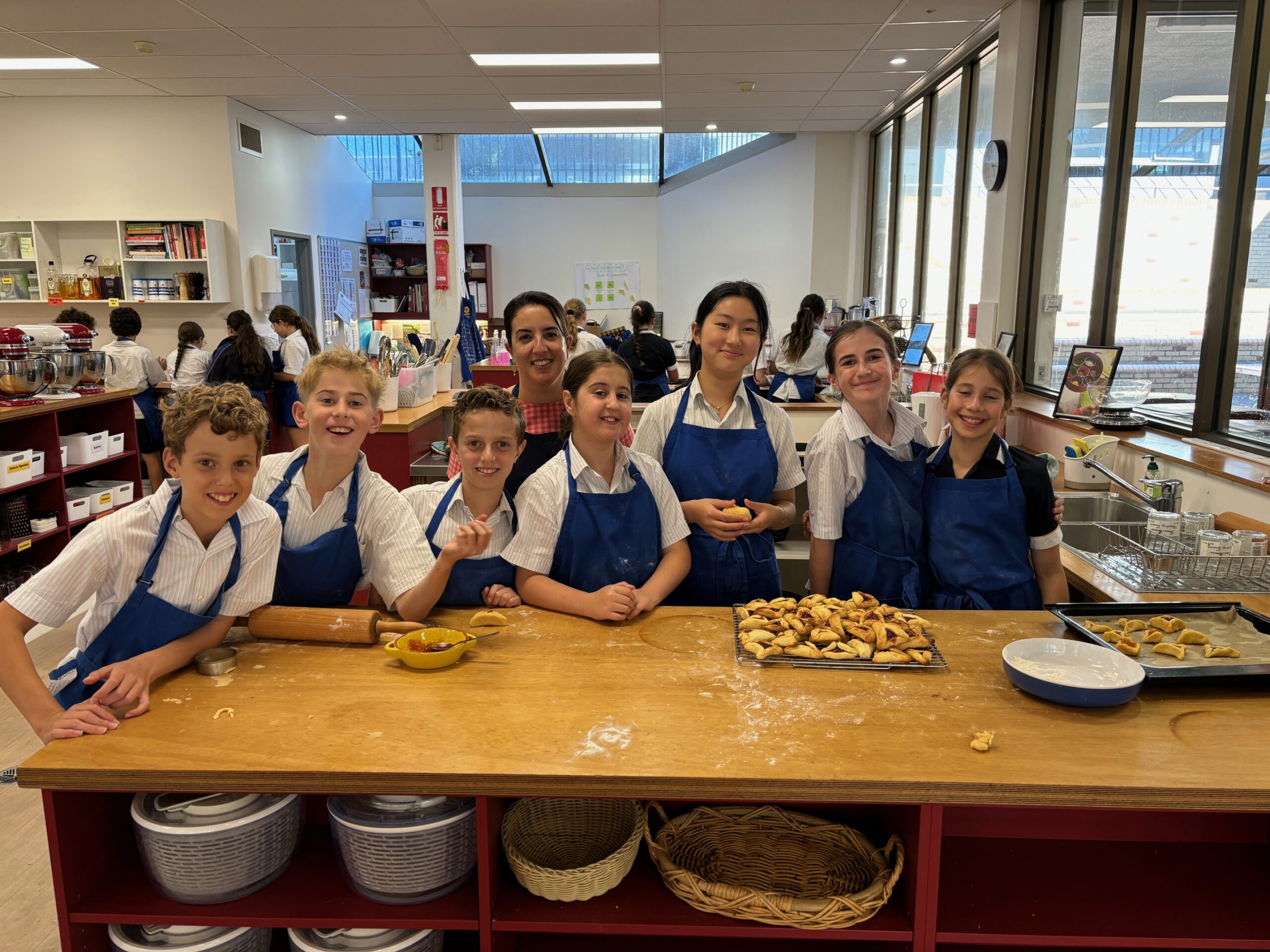
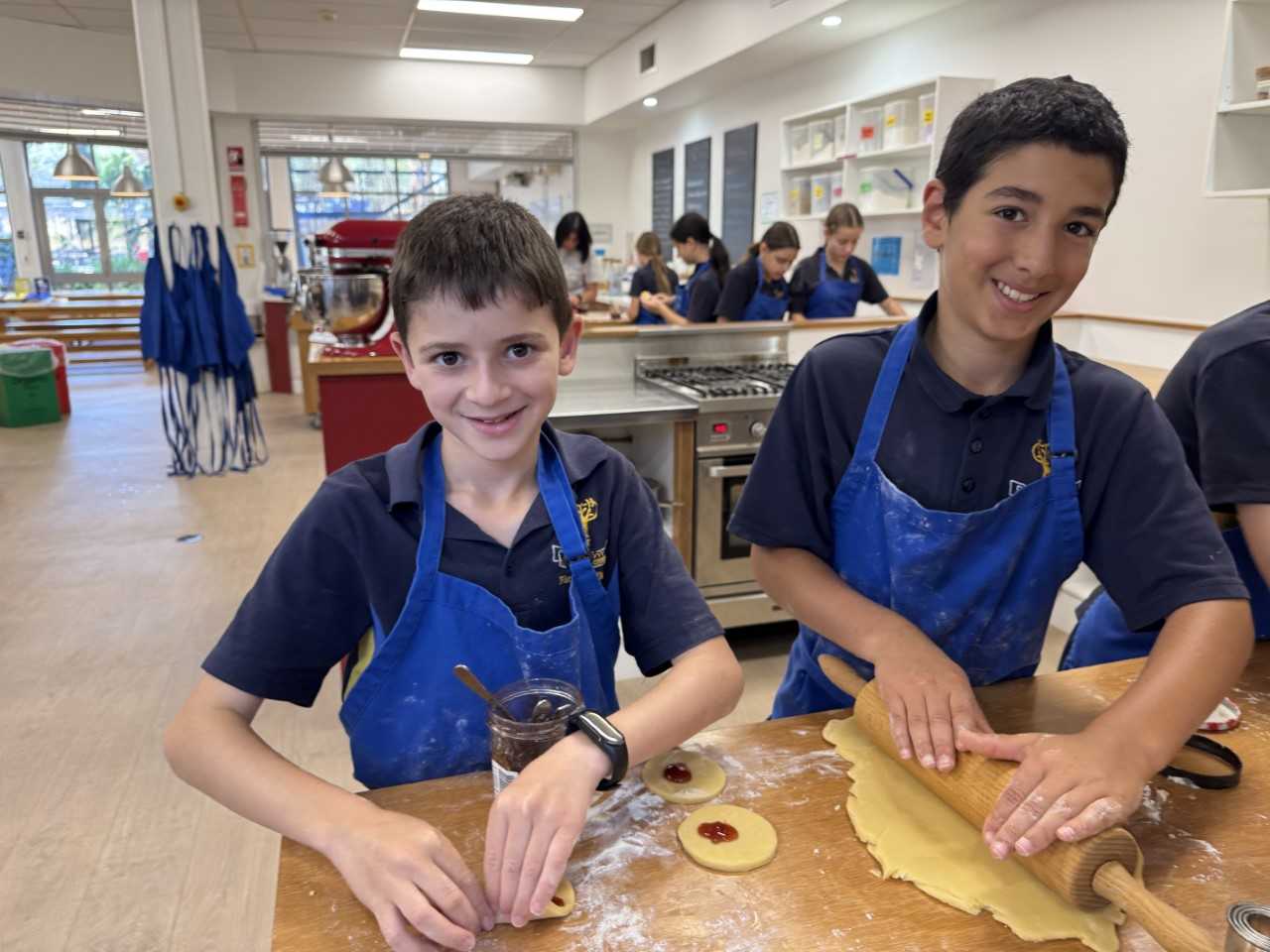
Last week to celebrate the festival of Purim, students joyfully baked Hamanthashen for the whole school community. A total of 1297 Hamanthashen were baked for staff, students and parents to enjoy!

These sweet treats are filled with symbolism and are absolutely delicious! You can find the recipe listed under ‘sweets’ in the Recipes tab above.

Teamwork in the garden

Teamwork is when you work together to accomplish a goal or a project. We used teamwork when we planted fruits and vegetables, to get everything done and in the correct place.

Our favourite memories are: Finding potatoes and pulling them out together, planting the cabbages, sorting and pulling out the beans – that really took all of us, and when we came back to school after the holidays and saw how much everything had grown.

Teamwork is a crucial part of our garden lessons

There is no I in teamwork.

Teamwork is a crucial part of our garden lessons, because not only does it create a fun and inclusive environment, but it also shows the power of productiveness and teamwork.

Three of our favourite things from this garden semester are: Picking/harvesting different vegetables from our beds eg; pumpkins and eggplants. Learning about the variety’s of fruits and vegetables from our garden that we get to eat in kitchen. Being able to have the privilege and responsibility to have control over our own garden bed.

Audrey, Sunshine, Scarlett, Zac, Harvey and Ilai.

Harvesting all the delicious vegetables, fruit and herbs

Harvesting is a process of collecting plants.

Harvesting all the delicious vegetables, fruit and herbs to cook amazing meals in the kitchen.

Our favourite memories from this semester are: finding a lot of potato’s that were all connected, Finding a ginormous zucchini, when it was a super hot day Julie turned the sprinklers on for us to cool down.

By Ethan, Ben, Lizie, Mika and Leah.

Garden memories

A word that describes garden is mulch because we use so much of it. We also use mulch for keeping plants warm.

A phrase that describes garden and our time is “teamwork makes the dream work” in the garden and the kitchen program because we will never get a good result without teamwork. We have limited time, and we have to harvest, plant, mulch and clean.

A sentence that is meaningful to us would be “Recycling makes reproduction” because it repurposes important recourses to help us survive. In recycling it has re- which means redo, cycle means a lifespan in an ongoing process.

Glorious Green Group

As the green group, we love visiting our garden bed. Because the steps to looking after our bed are really a lot of fun they include fertilizing to give the plants nutrients, harvesting the seasonal produce, planting seeds and seedlings (small plants with 4-5 small leaves) and spreading mulch across the soil to keep it warm and moist. We also love visiting the chooks and learning about their lifecycle.